

The Harbinger of Death and Destruction
Poppy spends The War of Two Queens becoming the thing she has spent three books refusing to be.
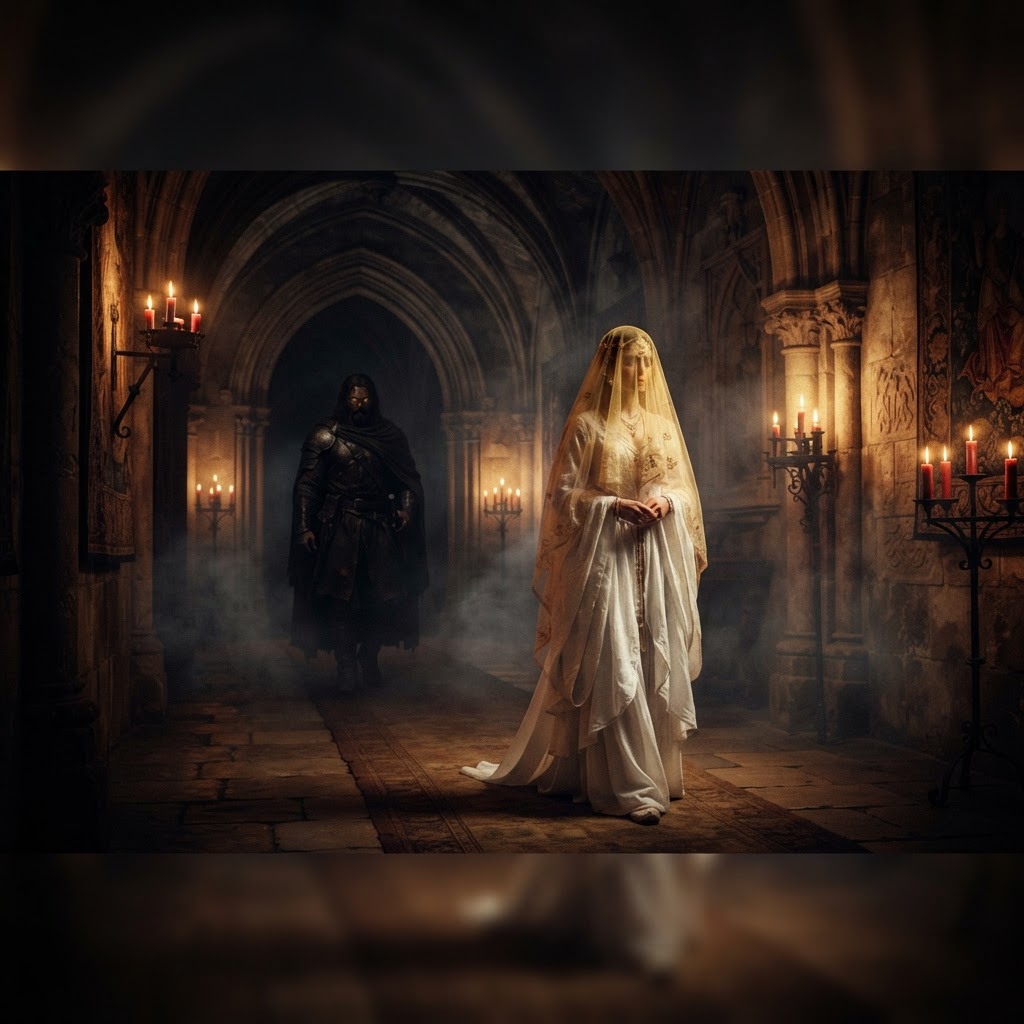
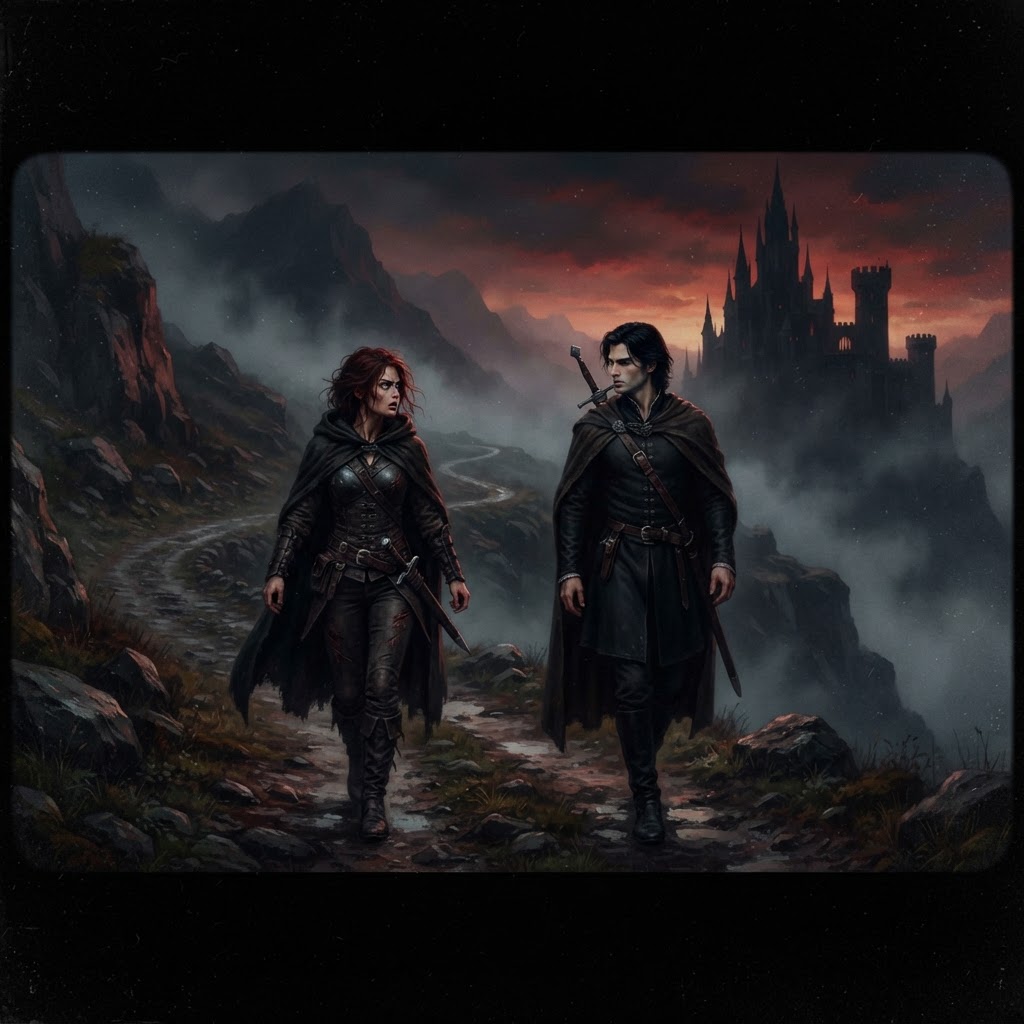
The Blood Queen holds Casteel. The prophecy that has shadowed Poppy since her true nature surfaced names her as the Harbinger of Death and Destruction, and the further she goes to get her husband back, the more accurate that title becomes. Armentrout's central question here is a good one: what if the villain's prophecy about you is correct, and you decide to fulfil it anyway, for reasons you consider sufficient?
What It's About
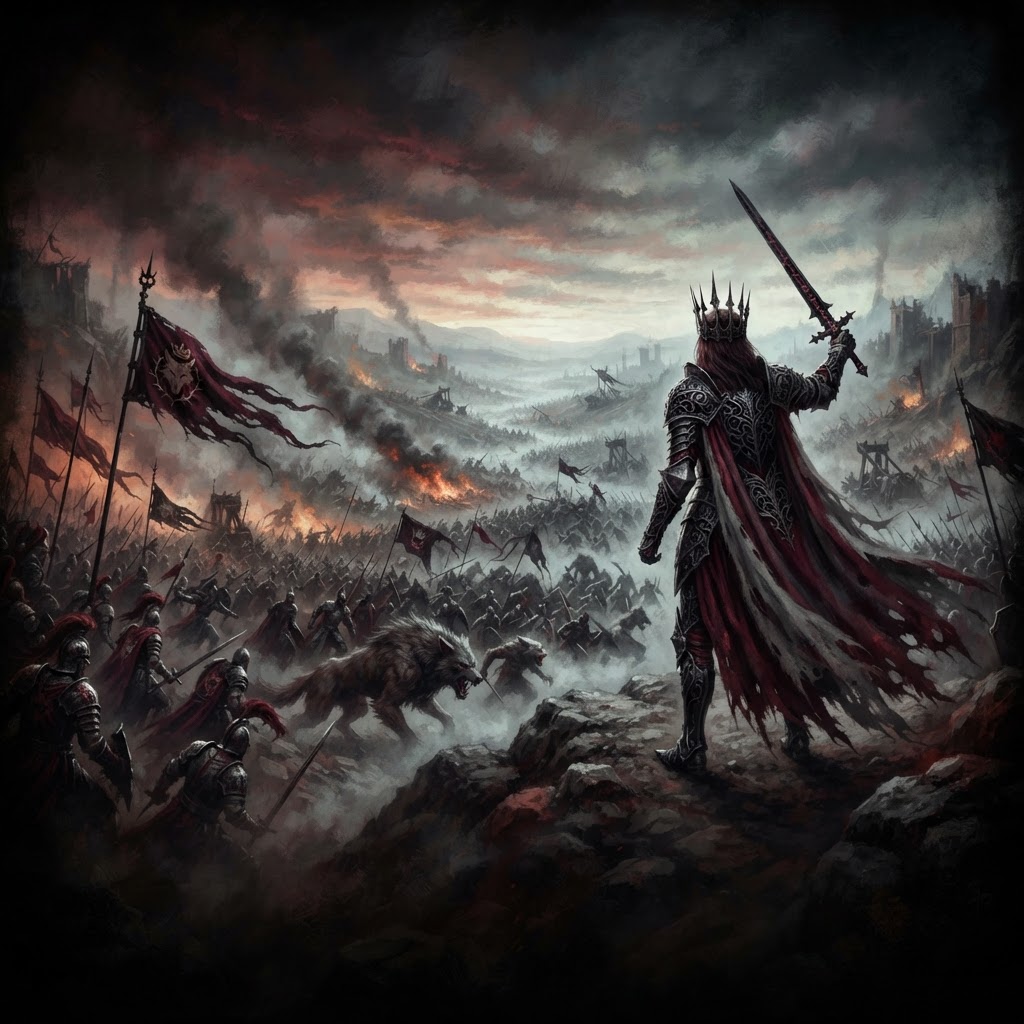
This is the war book. Poppy must persuade the Atlantian generals to fight her way, hold together an alliance of wolven, Atlantians and Primal guards, and march on a Blood Crown that has been playing a much longer game than anyone realised.
Armentrout opens the POV structure here. Casteel gets chapters from captivity, and the alternating perspective does real work. His sections are the strongest writing in the book: a man being systematically broken who keeps constructing reasons not to break.
The revelations about Isbeth, the Blood Queen, are the most substantial in the series. Her motivations, her history and her relationship to Poppy transform her from a distant menace into something considerably more interesting and more upsetting. And Millicent (the Handmaiden whose presence has been an unexplained irritant for two books) finally makes sense.
What Works
Isbeth becomes a real antagonist. Not evil for structure's sake. A woman who lost something and built an empire on the refusal to accept it. The reframe is genuinely good.
Casteel's captivity chapters. Armentrout writes his deterioration with more restraint than she usually allows herself, and the restraint makes it land.
The scale is delivered. After three books of build, the war actually happens, and the set pieces are competent and consequential. Characters die who matter.
The Millicent thread pays off. A payoff three books in the making, and it recontextualises scenes going back to From Blood and Ash.
Where It Struggles
This is the most plot-dense book in the series and it shows. At 600 pages, The War of Two Queens is carrying revelations, a war, a rescue, a prophecy, an expanding pantheon and a marriage, and something has to give. What gives is pacing: long stretches of strategy discussion and travel between the sections that matter.
The reunion between Poppy and Casteel, after a book of separation, is resolved faster than the separation earned. Readers who spent three hundred pages waiting for it may find the payoff thinner than the buildup.
The mythology load reaches its limit here. Primals, gods, Ascended, Atlantians, wolven, Handmaidens, the Craven: the taxonomy is now heavy enough that new readers would be lost and returning readers may need notes.
And Poppy's power escalation strains credibility. She is very nearly unstoppable by the end, which lowers the tension in exactly the book where it should be highest.
The Velvet Coven Verdict
The War of Two Queens is the most eventful and least elegant book in the series. It delivers the war, the revelations and the emotional payoffs it promised, and it does so while carrying more narrative freight than any single volume comfortably can.
Isbeth's reframing and Casteel's captivity chapters are the best material Armentrout has produced. The pacing between them is not. Read it for the revelations. They are worth the wait, and they reshape everything that came before.
Content note: Graphic violence, torture, captivity, explicit sexual content, character death.
Quick Reference
- Author: Jennifer L. Armentrout
- Published: March 2022 (Blue Box Press)
- Series: Blood and Ash, Book 4
- Pages: 600
- Setting: Atlantia, Solis, Carsodonia
- Tropes: Rescue, war, prophecy, dual POV, captivity, morally grey heroine
- Spice level: 4/5, explicit
- Status: #1 NYT Bestseller