

Never to Be Touched
Penellaphe Balfour has spent eleven years learning to be an object.
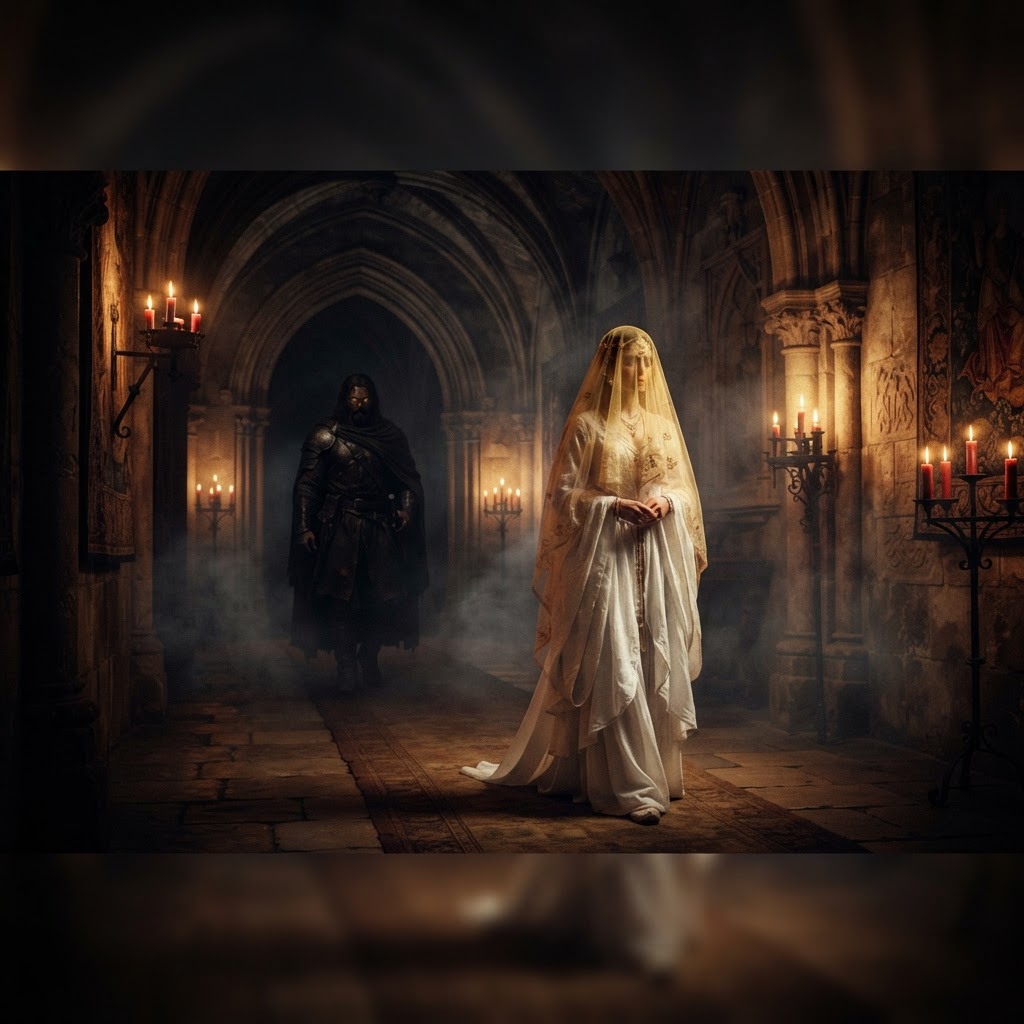
She is the Maiden, chosen by the gods, veiled in public, forbidden from being touched, looked upon, or spoken to by anyone outside a tiny circle. On her nineteenth birthday she will Ascend, given over to the gods in a ritual nobody will explain to her. Her body is not hers. Her face is not hers. Her future was decided before she could speak.
What Jennifer L. Armentrout does with this premise is smarter than the marketing suggests. The Maiden's condition is not decorative worldbuilding. It is a study in indoctrination, and Poppy's slow realisation that the rules protecting her are the same rules imprisoning her forms the spine of the entire novel.
Then Hawke Flynn arrives.
What It's About
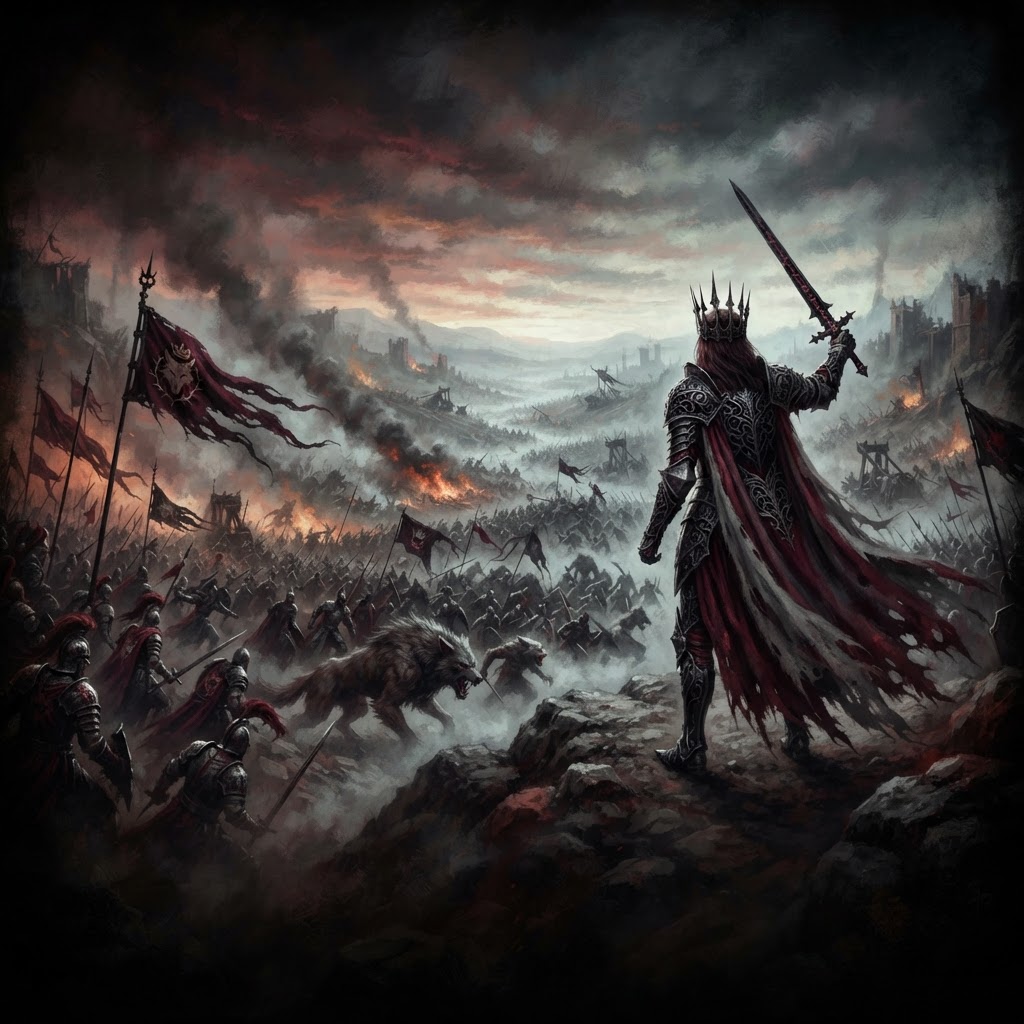
The kingdom of Solis is ruled by the Ascended, immortal aristocrats who drink blood, never age, and preside over a rigid caste system that funnels mortal children upward through Rites nobody returns from. Beyond the walls roam the Craven, feral, starving things created when an Ascended feeds without killing.
Poppy lives inside this arrangement as its most sacred symbol and its most controlled subject. She also sneaks out at night to a pleasure house called the Red Pearl, and she fights well enough to kill Craven, and she asks questions she is not supposed to ask.
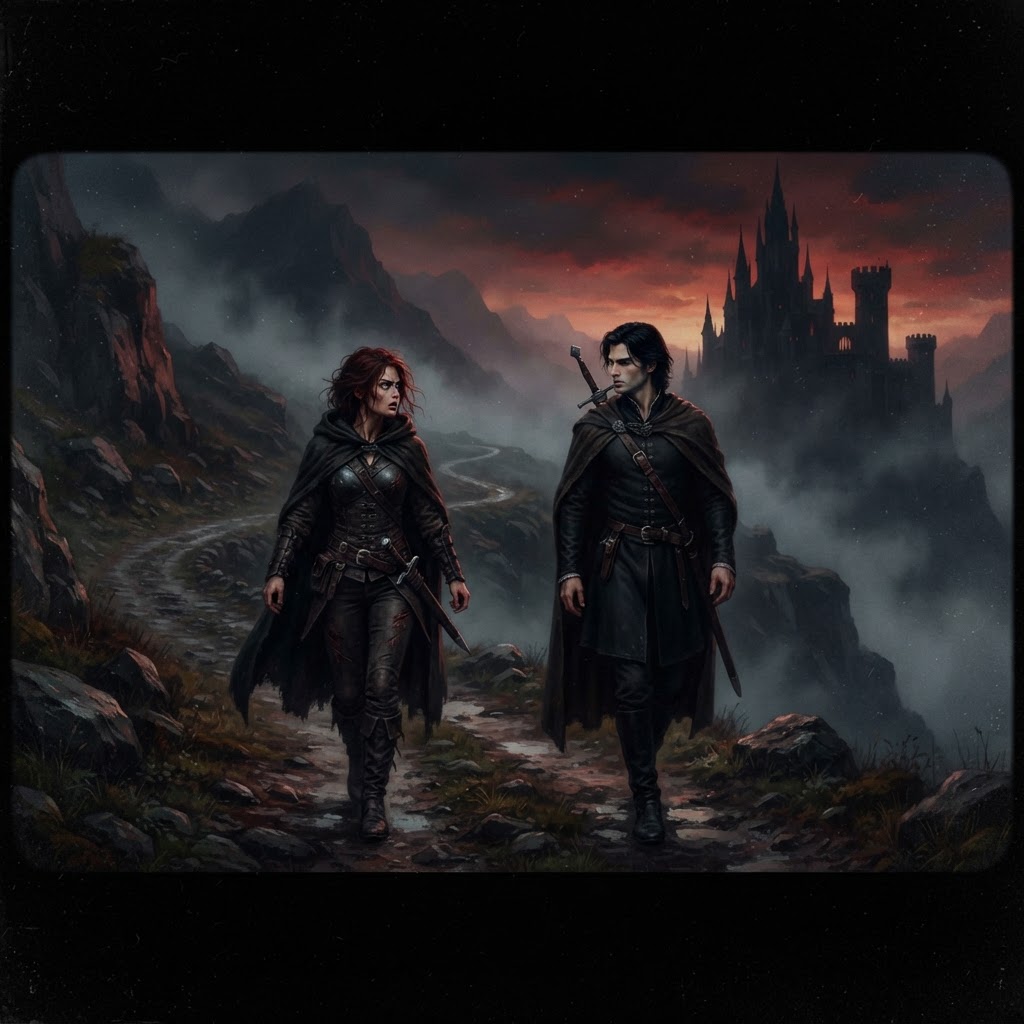
Hawke is the new guard assigned to keep her alive until her Ascension. He is golden-eyed, insolent, unbothered by the rules everyone else treats as sacred, and he speaks to Poppy as though she is a person. The romance that develops is genuinely forbidden, not socially awkward, but punishable, and Armentrout keeps the stakes physical rather than merely dramatic.
And Hawke is not who he says he is. The reveal, when it lands, recontextualises every scene that preceded it.
Why It Became a Foundation Stone
From Blood and Ash was self-published in 2020 and became one of BookTok's founding recommendations, beloved before ACOTAR and Fourth Wing pulled romantasy into the mainstream. It is now the third pillar of the contemporary canon, and the reasons are structural.
The slow burn is genuinely slow. Armentrout sustains the tension between Poppy and Hawke across 622 pages without releasing it prematurely. In a genre that increasingly resolves attraction in the first hundred pages, the discipline here is notable.
The forbidden element has teeth. Poppy cannot be touched. Not "shouldn't". Cannot, under penalty. Every brush of contact is a transgression with consequences, which means Armentrout can generate enormous charge from moments other authors would waste.
The hidden identity works. Male leads with secret depths are a genre staple, and most of them telegraph the reveal by chapter four. This one is constructed carefully enough that first-time readers genuinely do not see the shape of it, and rereaders find it was fair the whole time.
The world expands correctly. The Ascended, the Rites, the Craven, the wolven, the god mythology: Armentrout seeds far more than she explains, and the restraint pays off across the series.
Where It Struggles
The first third is slow in a way the slow burn does not excuse. Armentrout spends a great deal of page count establishing Poppy's confinement, and while that groundwork matters, the pacing tests patience before the plot engages.
The prose is functional rather than beautiful. Armentrout writes for momentum, not for the sentence. Readers coming from Anne Rice or Leigh Bardugo will notice the difference.
The book is also caught between registers. The first novel reads as YA-adjacent (the veiled maiden, the coming-of-age structure, the moderate heat) while the series it opens is firmly adult and becomes considerably more explicit from book two onward. Readers who bounce off the first volume's tone should know it changes fast.
And the "chosen one whose true nature is hidden even from herself" framework is not original. What Armentrout does with it is good; what it is remains familiar.
Where the Vampires Come In
A fair question for a coven: is this a vampire book?
The Ascended drink blood. They do not age. They cannot bear sunlight comfortably. They create the Craven through incomplete feeding, and the Craven are functionally the ravenous undead of every vampire mythology since Stoker. Armentrout never uses the word, but the architecture is unmistakable, and the moral horror of the Ascended's system, where mortal children are harvested to sustain immortal aristocrats, is one of the oldest vampire arguments in the genre.
It counts.
The Velvet Coven Verdict
From Blood and Ash is not the best book in its own series (that comes next) but it is the one that had to work for any of the rest to exist, and it works. Poppy's arc from indoctrinated symbol to woman who chooses is the strongest thing in it, and her voice, once the plot lets her use it, is genuinely funny and genuinely angry in a way the genre could use more of.
Go in knowing the first third is slow and the twist is worth it. Then go straight into book two, because that is where this series becomes what people won't shut up about.
Content note: References to sexual violence in backstory, violence, captivity, indoctrination.
Quick Reference
- Author: Jennifer L. Armentrout
- Published: March 2020 (Blue Box Press)
- Series: Blood and Ash, Book 1
- Pages: 622
- Setting: Kingdom of Solis, Masadonia, the Rise
- Tropes: Forbidden romance, hidden identity, chosen one, slow burn, forced proximity, touch starvation
- Spice level: 4/5, explicit, arrives late
- Status: 2020 Goodreads Choice Award for Romance, BookTok foundation text