

The Boy Who Shouldn't Be There
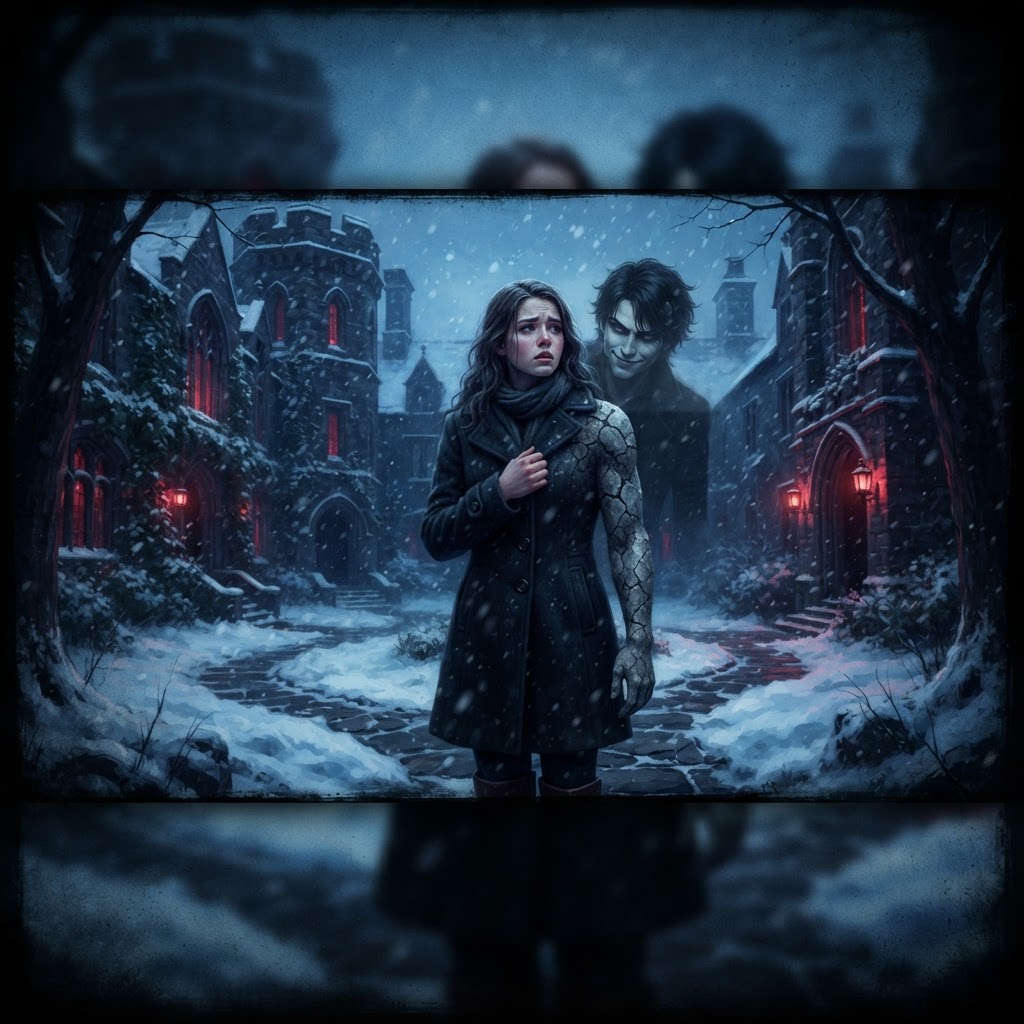
Grace Foster spent four months as a gargoyle statue in the middle of Katmere Academy, and she remembers none of it.
That amnesia is the engine of Crush, and it is both the book's smartest structural choice and its most persistent irritation. Grace is back, physically intact, surrounded by people who watched her turn to stone and are now watching her very closely. She has fragments, impressions of days she cannot place, a sense of time having passed differently, an unshakeable feeling that something followed her home.
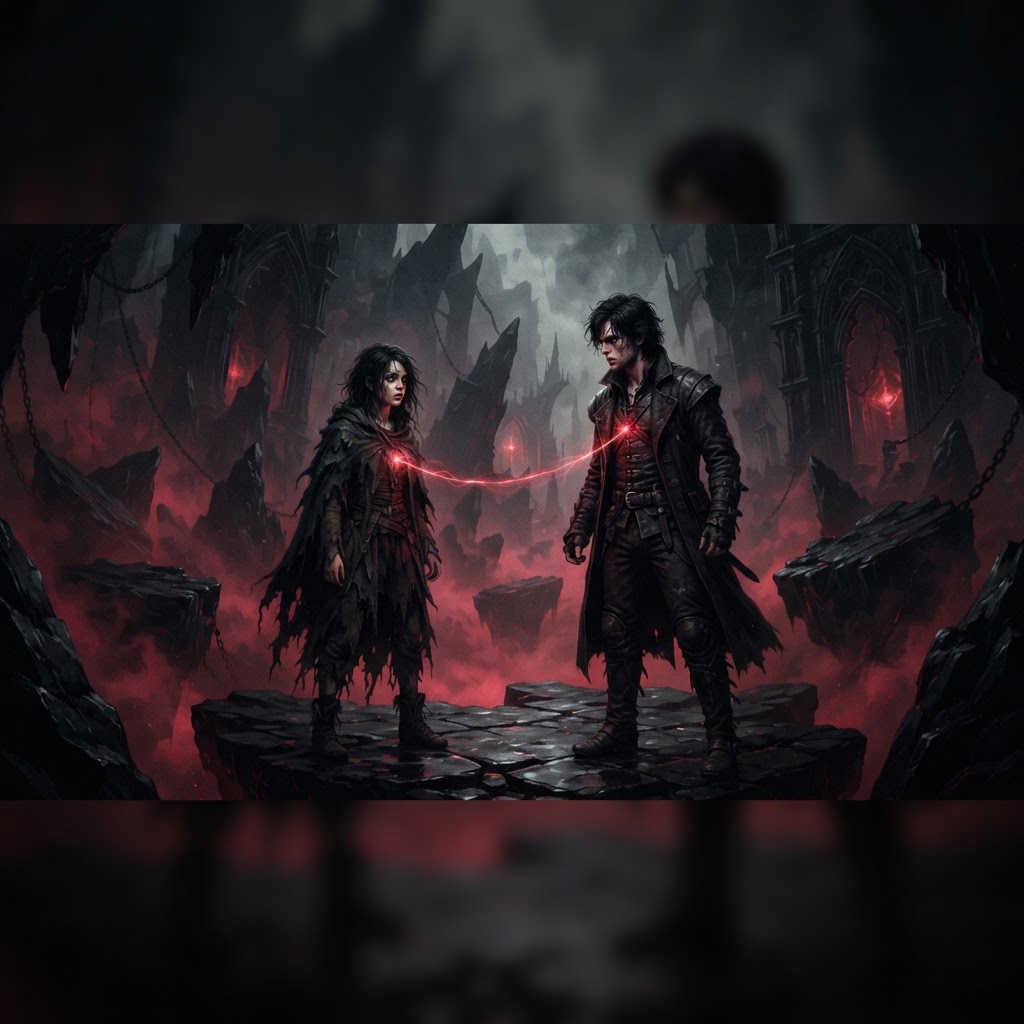
Something did. Hudson Vega (Jaxon's older brother, the vampire the supernatural world considers a monster among monsters, supposedly dead) is inside her head. Nobody else can see or hear him. He is sardonic, infuriating, apparently unkillable, and he insists there are things about Grace's situation that everyone around her is getting wrong.
What It's About
Crush divides its attention between three things: Grace's attempt to reconstruct what happened to her, the escalating political situation at Katmere as the supernatural Courts manoeuvre, and the Ludares tournament that forces the students into a physical competition with real stakes.
Grace and Jaxon are together, or trying to be. But Grace came back different, and Jaxon (protective to the point of suffocation, still carrying the guilt of having failed to prevent her petrification) is not able to meet the person she is becoming. Meanwhile the voice in her head keeps making better points than her boyfriend does.
The Bloodletter's revelations in the final act reframe the entire premise of the series, and the ending sets up a conflict that dominates the next four books.
What Works
Hudson. He arrives fully formed (dry, cruel-mouthed, secretly attentive) and the banter between him and Grace is the funniest writing Tracy Wolff has produced. The decision to introduce him as a disembodied voice rather than a physical presence is clever: it forces the relationship to be built entirely on conversation, which means by the time he becomes corporeal, readers already know him better than they know Jaxon.
Grace's agency improves. In the first book she was largely acted upon. Here she pushes back, makes decisions, and gets angry at being managed. The improvement is noticeable.
The worldbuilding widens. The Courts, the political structure of the supernatural world, and the mechanics of the mating bond all get substance here.
Where It Struggles
The amnesia device is frustrating by design and frustrating in practice. Grace spends a great deal of the book not knowing things the reader also does not know, which means large stretches consist of characters withholding information for reasons that feel authorial rather than motivated.
The pacing sags badly in the middle. The Ludares sections, which should be propulsive, are undercut by the fact that the emotional stakes are all happening elsewhere.
And Jaxon suffers. Having been the compelling brooding centre of Crave, he spends this novel being controlling, uncommunicative and increasingly hard to root for. Some of that is deliberate setup. Some of it reads as a character being deflated to clear space for his brother.
The Velvet Coven Verdict
Crush is a middle book with all the structural problems that implies, and it is worth reading anyway for one reason: Hudson Vega.
Tracy Wolff introduces a character here who quietly hijacks her own series, and watching him do it in real time (from irritating voice-over to the emotional centre of five more books) is genuinely satisfying. Everything else in Crush is scaffolding.
Push through. The next one is where the series becomes good.
Quick Reference
- Author: Tracy Wolff
- Published: 2020 (Entangled Teen)
- Series: Crave, Book 2
- Setting: Katmere Academy, Alaska
- Tropes: Amnesia, voice in the head, love triangle, boarding school, supernatural politics
- Spice level: 2/5, YA register, restrained
- Status: #1 NYT Bestseller